How to Improve Your Aim in Valorant
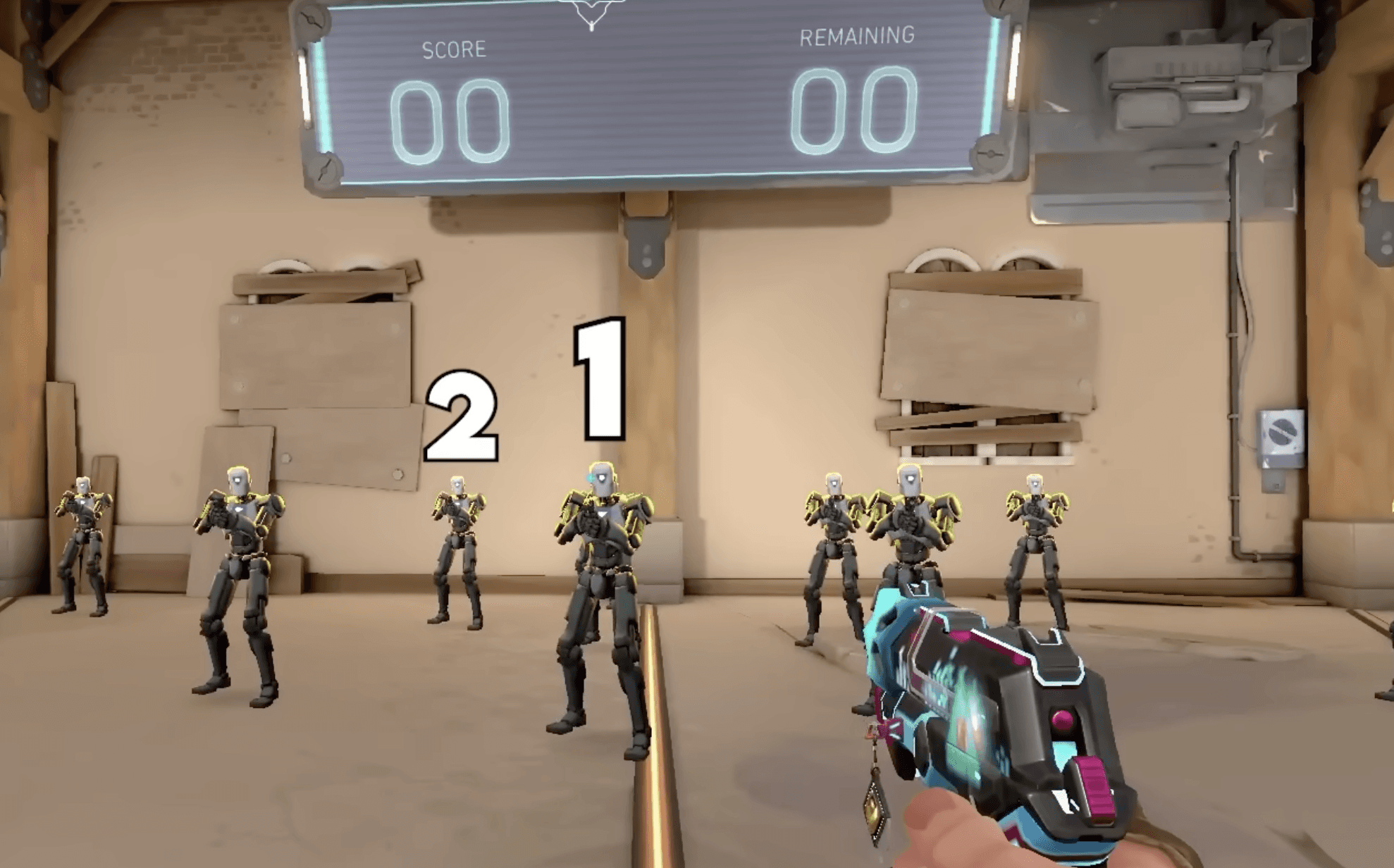
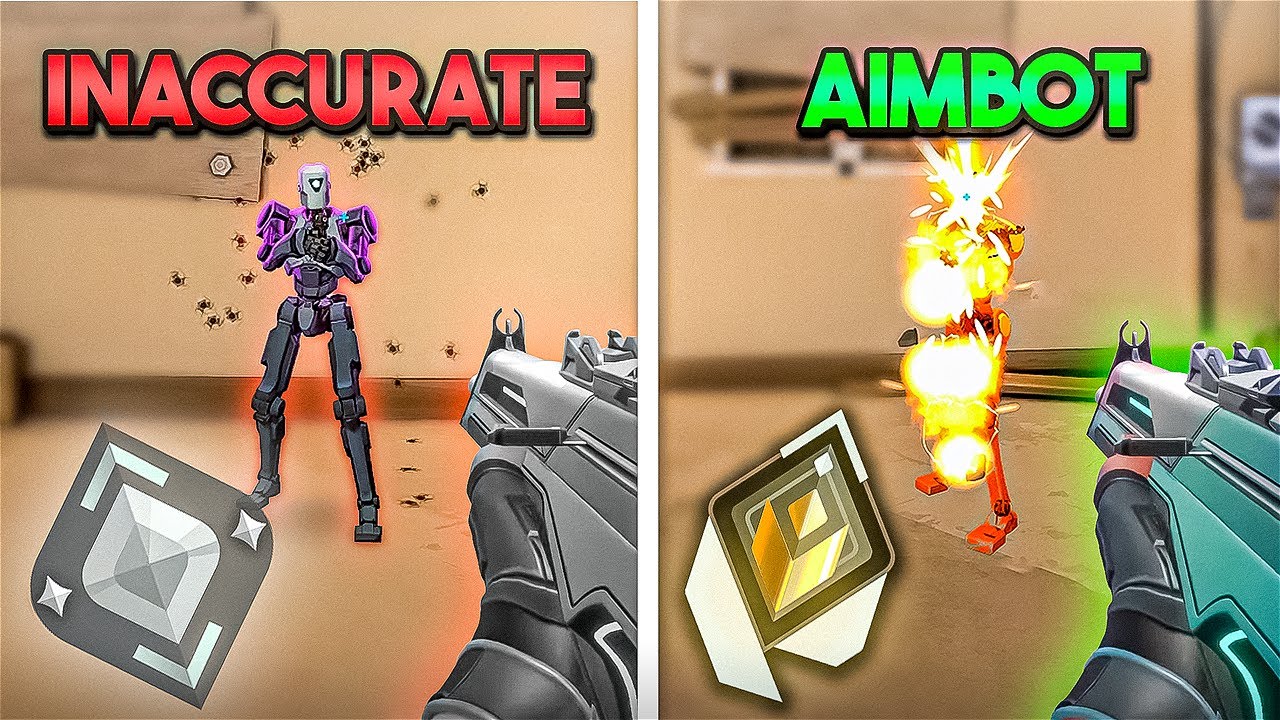
Struggling with missed shots that feel impossible to land? You’re not alone—most players waste hours in deathmatch only to see their crosshair miss the mark. In this guide you’ll learn four battle‑tested techniques that turn shaky aim into consistent head‑shots, so you can climb from Iron to Radiant faster than ever.
Calm Aim: Stop, Align, and Fire With Confidence
Calm aim means you stop before you shoot and only fire when your crosshair perfectly covers the target. Most players think they have milliseconds to react, but the extra split‑second you gain by halting your mouse can be the difference between a kill and a whiff. Here’s the thing: a body‑shot on the first bullet tags the enemy, slowing them enough for the rest of your spray to land.
Want to lock this habit in? Practice the micro‑adjustment drill: stand at a line where the floor tiles misalign, pick two targets, flick, micro‑adjust, then fire—never pull the trigger before the crosshair lands. Keep your grip light; imagine holding an eggshell so you avoid a death‑grip that stiffens flicks. The result is smoother, more accurate bursts.
Pause for a fraction of a second before each engagement
Fire the first bullet only when the crosshair fully covers the target
Run the micro‑adjustment drill daily, focusing on flick → micro‑adjust → fire
Lighten your grip to “hold an eggshell” and reduce mouse tension
A single, well‑placed body‑shot is worth a whole spray of missed headshots.
Pre‑aiming vs. Peeling: Position Before You Shoot
Peeling an angle forces you to flick at the last second, which almost guarantees panic‑spraying. In contrast, pre‑aiming lines up your crosshair on common sightlines before an enemy appears, letting you shoot the moment they step out. But wait: pre‑aiming reduces exposure and boosts kill conversion dramatically.
The dead‑zoning drill teaches you to strafe while firing single bullets just after you press the opposite‑direction key. Start at level 1 with wide strafes, then halve the distance each level, advancing only when 95 % of shots land in the orange error band. Want to know the best part? Once you hit level 4 you’ll instinctively snap to angles without hesitation.
Identify the most common angles on each map and pre‑aim them before entering a site
Perform the dead‑zoning drill in the range, progressing through four levels with 95 % orange‑bar accuracy
Add the jiggle pre‑fire drill behind a pole or Sage wall to fine‑tune timing
In custom games, “slice the pie” by pre‑aiming every angle and off‑angle on each map
Pre‑aiming turns surprise encounters into guaranteed head‑shots.
Crosshair vs. Target Focus: When to Prioritize What
Crosshair focus gives you pinpoint precision, while target focus boosts reaction speed. Use crosshair focus for static tasks like holding a corner or pre‑aiming a jiggle peek; switch to target focus when you’re rushing, hearing a satchel, or need to react to multiple pop‑outs. The rule of thumb: the closer the enemy, the more you should lock onto the target; the farther they are, the tighter you keep your crosshair on the aim point.
For example, when you hear a teammate’s satchel explode, first locate the enemy’s silhouette, flick the crosshair onto them, then fine‑tune for the shot. In close‑range fights, the enemy’s larger hitbox lets you land hits by simply tracking the target. At long range, a tiny head requires you to align your crosshair precisely before you pull the trigger.
When holding an angle, keep your crosshair on the expected line of sight and click as soon as it overlaps the enemy
When peeling or reacting to audio cues, locate the enemy first, then align the crosshair for the final shot
Apply the distance rule: close range → target focus; long range → crosshair focus
Practice both modes in aim‑train maps that toggle between static and reactive scenarios
Switching focus on the fly is the hidden skill that separates Immortal from Iron.
Gun Hygiene: Mastering Weapon‑Specific Limits
Gun hygiene means respecting each weapon’s hidden limits—first‑bullet accuracy, recoil patterns, and accuracy‑reset timers. Ignoring these nuances makes you blame “bad aim” for missed kills that are actually mechanical failures. Here’s the thing: every gun behaves like a player with a unique skill set.
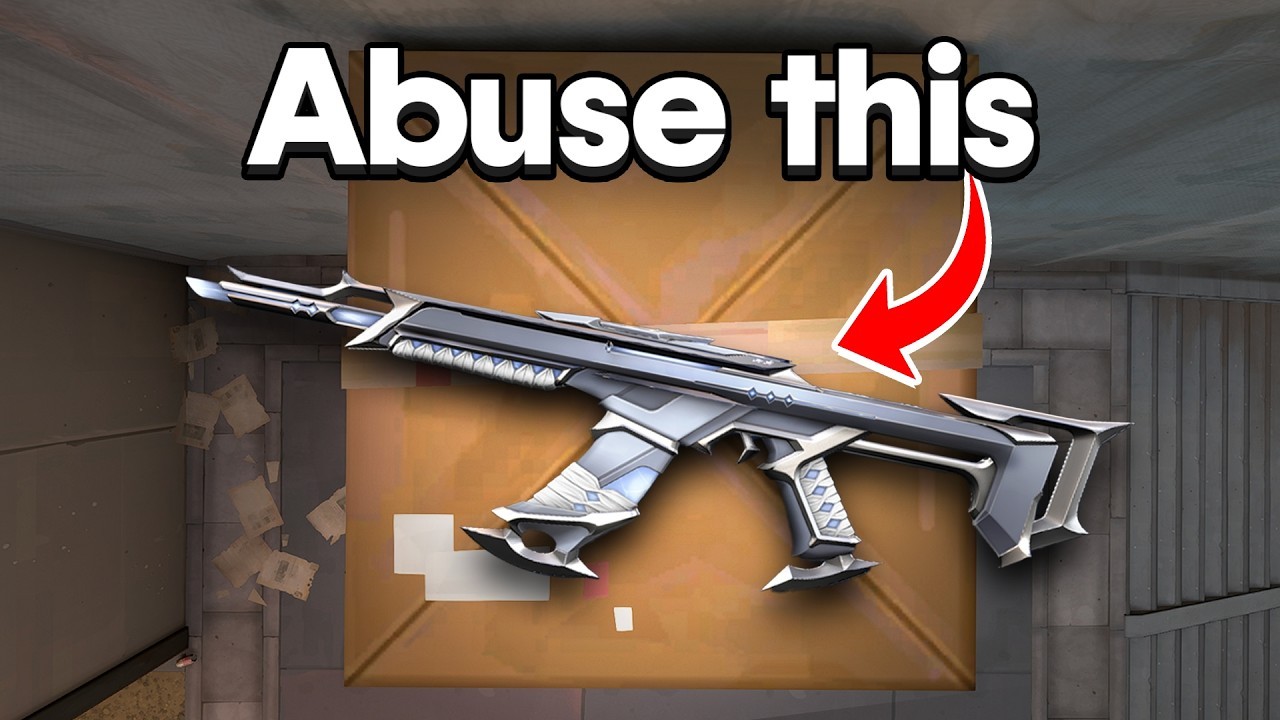
The Vandal loses up to 50 % of its shots beyond 50 meters if you don’t aim down sights, while the Judge follows a crescent‑moon recoil that rewards short bursts at close range. The Classic only reaches its peak after a brief pause between shots, allowing the recoil to reset. Knowing these facts lets you choose the right gun for the right distance and fire mode.
For mid‑range fights, use the Vandal with ADS to preserve first‑bullet accuracy
In close quarters, pick the Judge and fire short, controlled bursts to match its recoil pattern
When using the Classic, insert a 0.15‑second pause between shots to let the accuracy reset
Review each gun’s recoil chart in the practice range and adjust your spray accordingly
Understanding gun hygiene turns mechanical limits into tactical advantages.
How can I instantly fix my aim in Valorant?
You can instantly improve your aim by mastering calm aim, pre‑aiming angles, switching focus between crosshair and target, and practicing gun hygiene with specific drills; these four habits give you more reaction time, better first‑bullet hits, and consistent spray control, letting you climb ranks faster.
Start with the micro‑adjustment drill to embed calm aim, then move to dead‑zoning and jiggle pre‑fire drills for pre‑aim mastery. Alternate focus based on distance: target focus up close, crosshair focus at range. Finally, test each gun’s first‑bullet accuracy and recoil in the range before every match.
Next‑Level Insight: Turn Practice Into Progress
The secret isn’t more hours of aim‑training; it’s integrating these four habits into every warm‑up routine. Right now, open a custom game, set a timer for 10 minutes, and run the micro‑adjustment, dead‑zoning, and gun‑hygiene drills back‑to‑back—track your orange‑bar percentage and adjust until you hit 95 % consistently.